Our expertise
Our expertise
Delmon Group designs and manufactures high-performance anti-vibration and sealing solutions through complete mastery of the value chain, from elastomer formulation to precision machining.
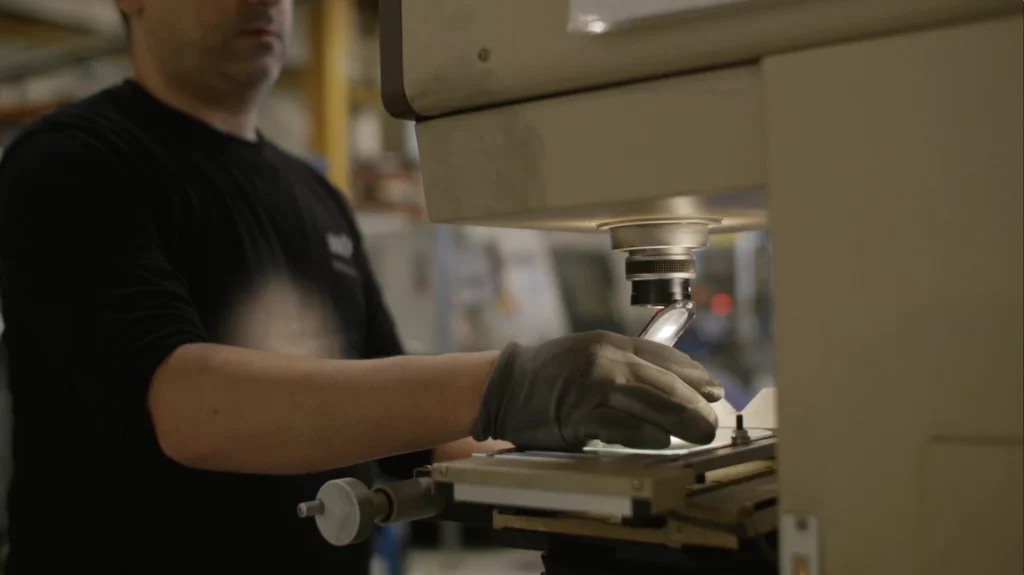
To meet demand, we have:
A laboratory
for the formulation of custom rubber compounds
A technical center
with its associated departments (prototyping, test benches, calculations, design, etc.)
Production tools
Such as molding (injection, compression), bonding (rubber-to-metal bonding), composite injection, machining (4-axis, 5-axis, and cylindrical grinding)
DEDICATED TEAMS
organized in project mode, thanks to “Delmon Project Management,” allowing for rigorous development and effective coordination between technical and industrial teams
FACTORIES
high-performing and perfectly prepared to ensure the continuity of series production, meeting customer requirements through complete mastery of our value chain.
All of this provides Delmon Group with a flexibility and responsiveness recognized by its customers.
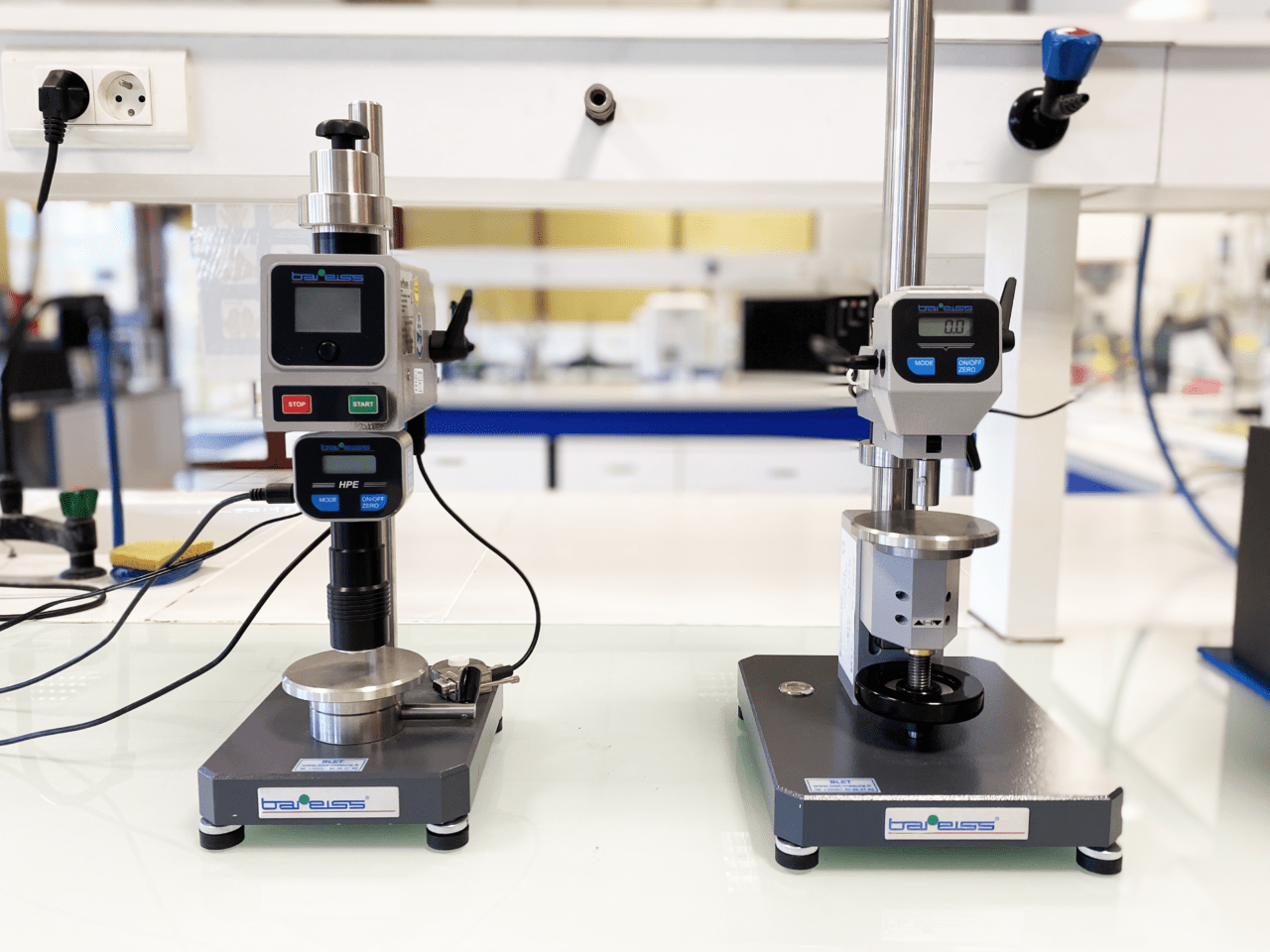
The Internal Laboratory
Dedicated to material development and performance, our laboratory is equipped to perform all mechanical, chemical, and aging tests necessary to validate our formulations and assemblies.
From elastomer characterization to vibration behavior simulation, we master every stage of qualification to guarantee product reliability and compliance with the most demanding standards (AS9100D, ISO, FAR 25.853, etc.).
From concept to prototype
Our engineers and technicians have integrated means for rapid prototyping, machining, and specific tooling, allowing us to move from design to functional validation within short timeframes.
This responsiveness allows us to support our customers from the design phases, offering innovative solutions adapted to their technical, vibrational, and environmental specifications.
R&D: Collaborative and responsible innovation
Delmon Group actively participates in several research and innovation programs, particularly in the aerospace sector, in collaboration with major industry players.
Other customers also contact us to develop solutions that will be integrated into their applications. We always respond with a single objective: to develop increasingly high-performance, sustainable, and responsible technologies for safer and quieter mobility.
Would you like to learn more?
Discover our skills in detail
What is the finite element analysis method?
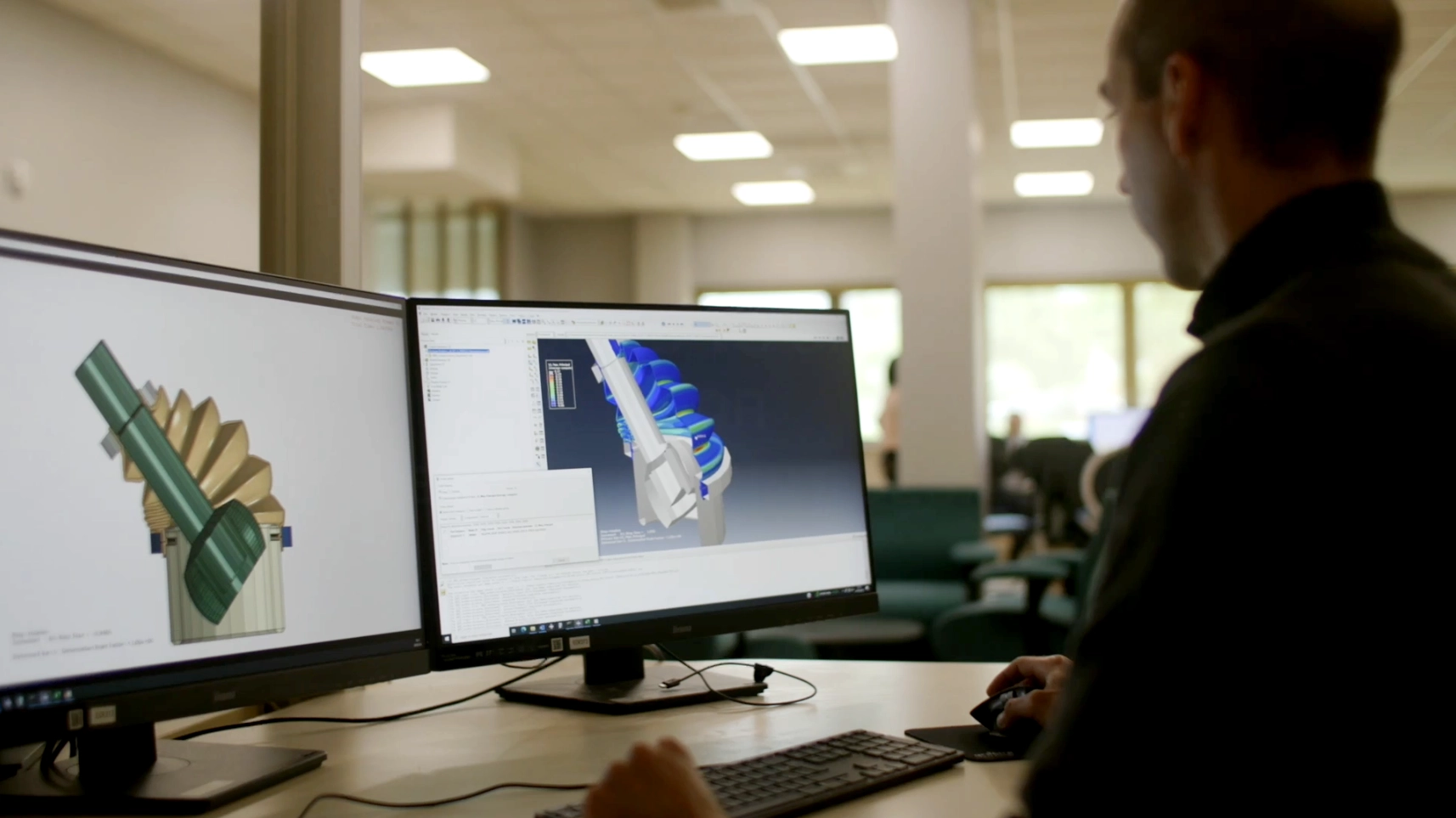
Performed using digital tools, the finite element analysis method (FEA or FEM for “finite element method”) makes it possible to simulate the behavior of a complex elastomer product when faced with the actions it will encounter (forces, vibration, heat, etc.).
This method allows for the creation of finite element models that are as close to reality as possible. In this calculation, the various materials and the system environment are taken into account.
Finite element analysis takes place during the development of the elastomer product and ensures a response that complies with the specifications.
What are the steps of finite element analysis?
Finite element analysis takes place in several steps:
- Starting from the CAD (Computer-Aided Design), itself derived from customer input data, the elastomer product design is integrated into the calculation software.
- Entry of the internal and external environment criteria for the use of the elastomer product (from customer input data).
- Launch of the finite element analysis.
- Obtaining results: this calculation must confirm whether the design is compliant or not.
Delmon Group’s skills
Delmon Group is a designer of global solutions with adapted manufacturing processes.
Fully integrated, from the formulation of its elastomers to the validation of molded parts, the company provides you with all its experience and the expertise of its engineers to finalize your specifications.
THE R&D TEAM USES THE FOLLOWING SOFTWARE:
- CATIA: Part definition by CAD (Computer-Aided Design)
- ABAQUS: Mesher and non-linear FEM calculation (finite element analysis tool)
What is prototyping?
Prototyping is a method that allows for the resolution of doubts regarding a theoretical design by producing a small series of parts, in our case, in rubber. Following customer tests, this confirms the technical feasibility of the part. This prototype therefore makes it possible to identify problems and correct them if necessary. This stage occurs before launching the part into series production.
Our prototyping skills…
Delmon Group has a workshop dedicated to prototyping, measurements, and endurance tests. The workshop allows the company to be responsive in order to develop different solutions/concepts with customers.
These prototyping processes provide optimal responsiveness to meet the demands of Delmon Group’s customers.
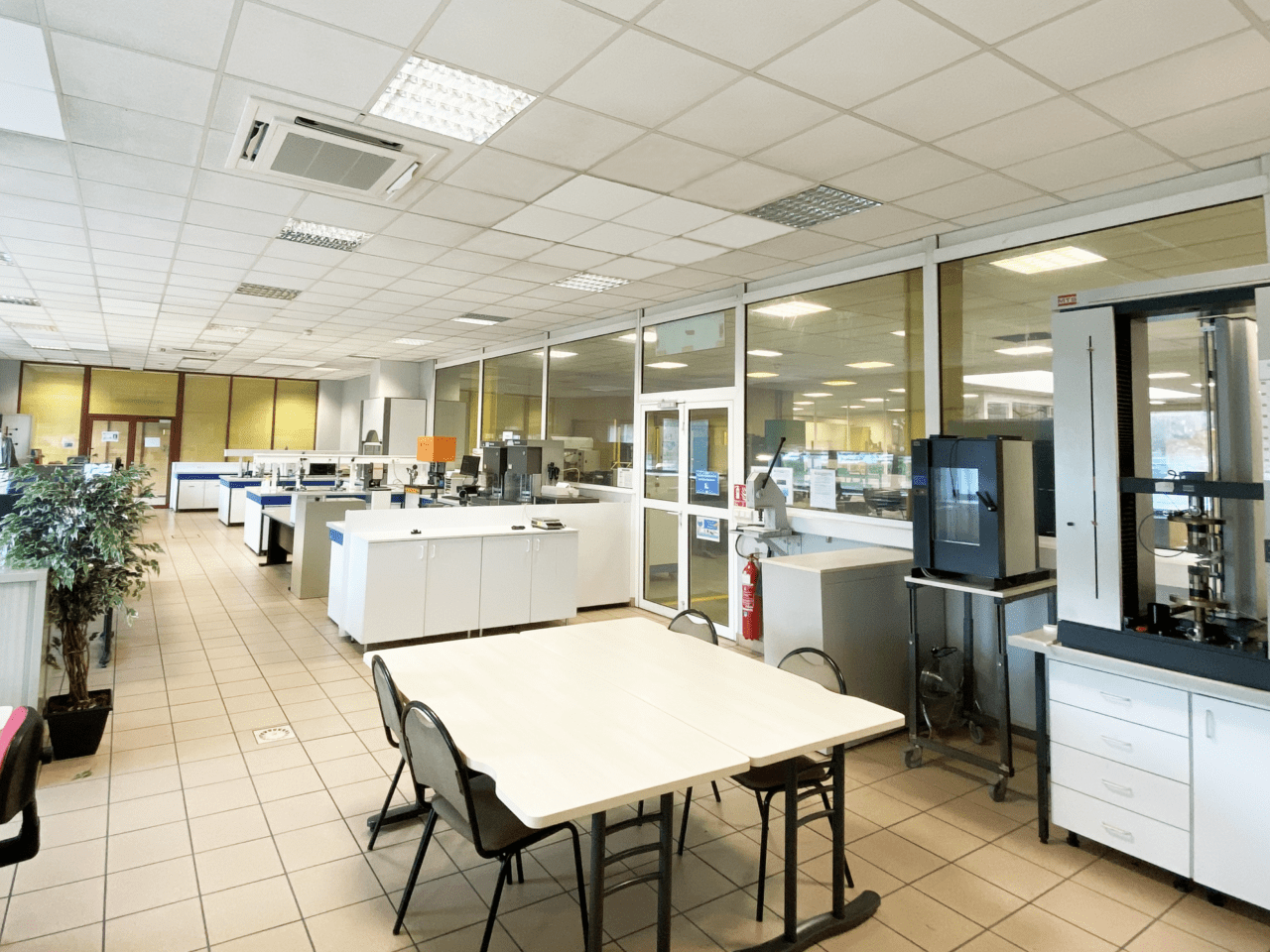
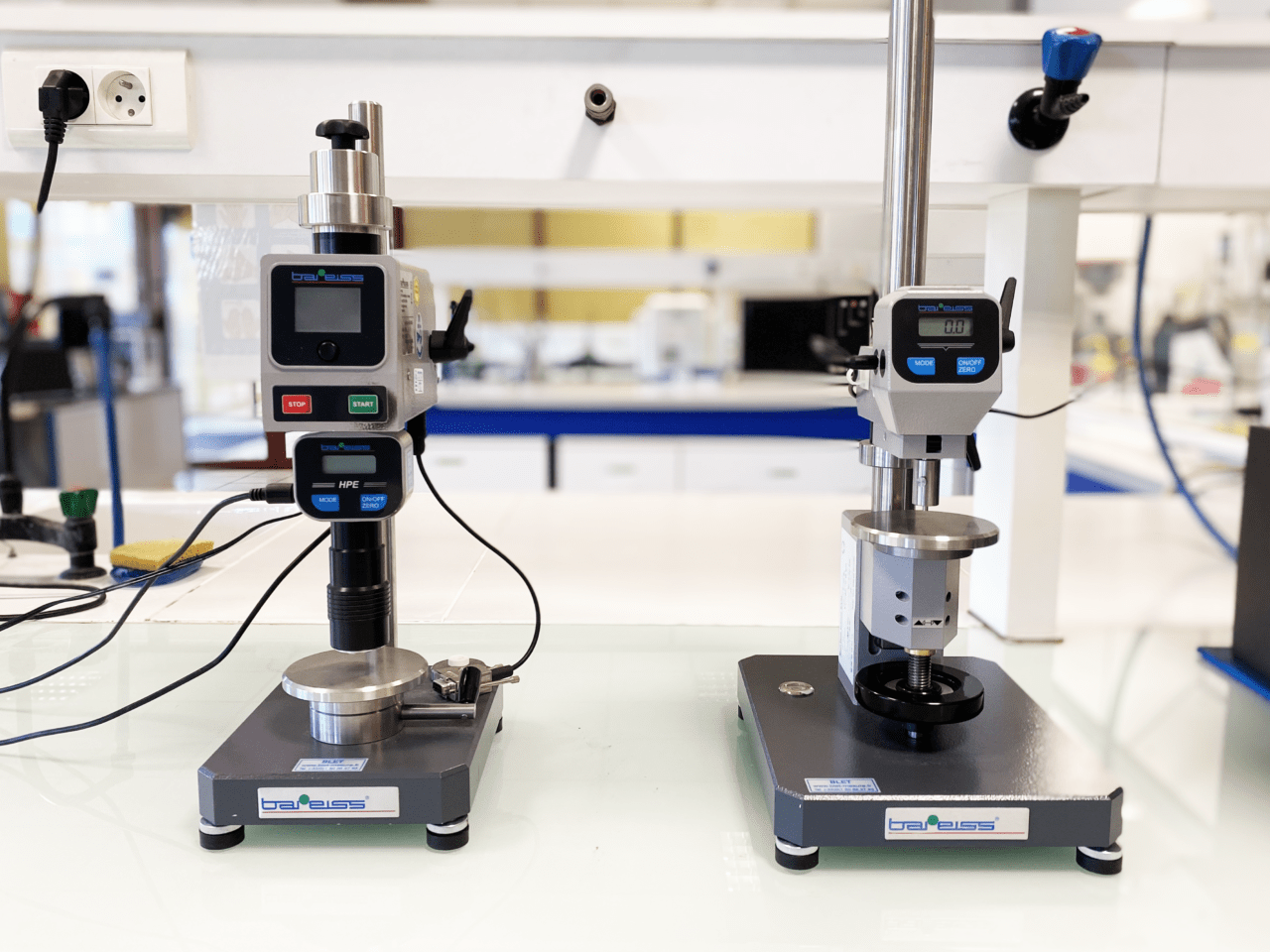

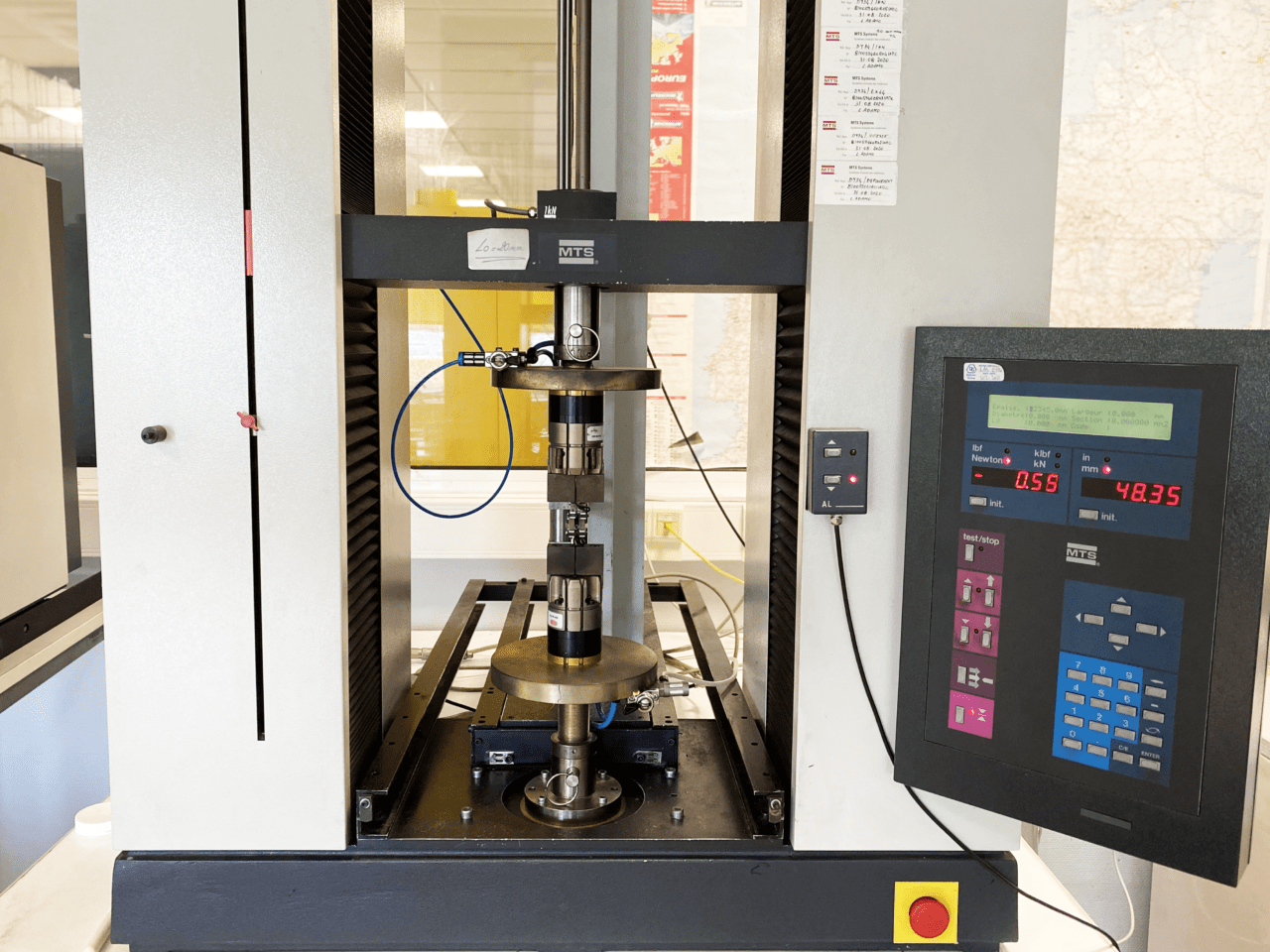
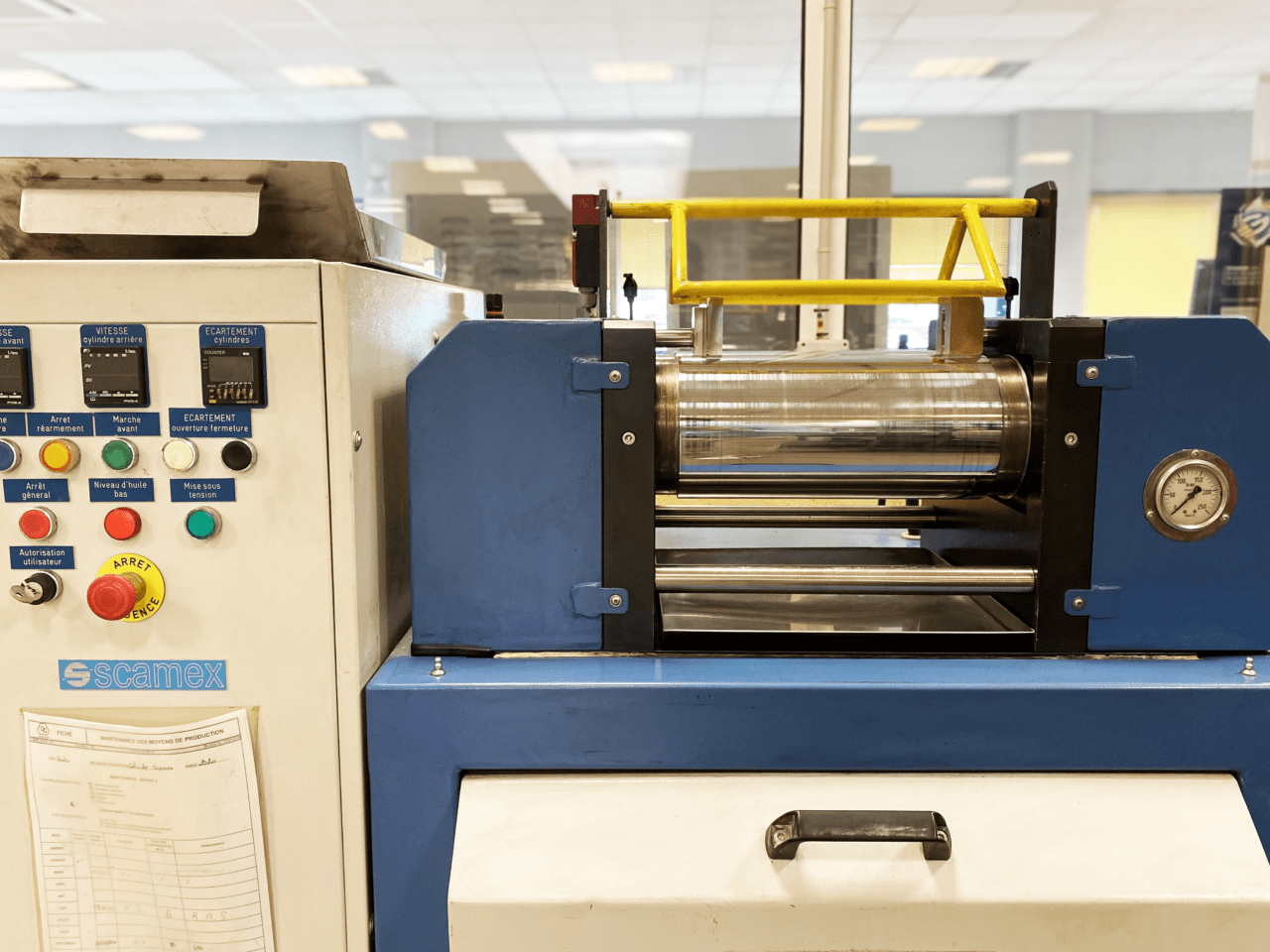
The DELMON group develops and produces its formulations in-house based on your needs.
Specialists are at your disposal in physico-chemistry laboratories.
- To perform cross-examinations of compounds.
- To create new formulations or improve them.
- To help you certify compounds for your own customers.
The compound formula is established based on precise specifications, respecting criteria such as hardness, color, mechanical properties, chemical resistance, fire resistance, etc., in accordance with regulations and the analysis of your product’s function.
Delmon Group’s teams of chemists are recognized through customer certifications, such as:
- GE Aerospace, etc.
- Renault,
- Safran,
Delmon Group produces a significant portion of its rubber compounds through its mixing lines based on its laboratory formulations.
Key competence
Bonding is achieved in most cases by surface preparation adapted to the material of the insert and the rubber formula.
There is a specific adhesive application for each elastomer family.
Bonding occurs under the effect of vulcanization in the mold.
Bonding is an integral part of Delmon Group’s expertise, which adapts it to your applications and specifications.
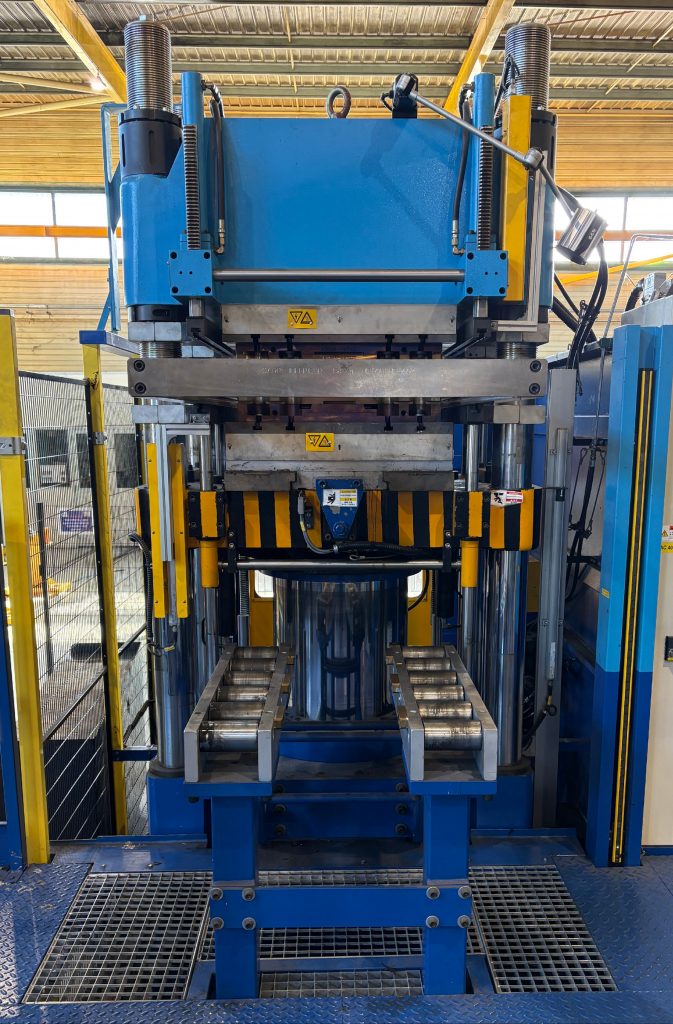
What is molding?
Molding is a technique that allows a part to be made by inserting a material into a mold. It enables series production. This technique allows us to produce complex rubber parts.
Delmon Group’s molding skills
WITH OVER 50 YEARS OF EXPERIENCE, DELMON GROUP IS A SPECIALIST IN THE MOLDING OF RUBBER PARTS.
The company possesses a large number of injection, compression, or transfer presses. It performs the overmolding of bonded parts with plastic or metal inserts.
Its machine fleet consists mainly of presses from 17 T to 600 T with pots that can hold up to 6L of compound. The group has the necessary skills to mold and overmold parts from small to very large sizes. Presses are also dedicated to silicones.
Delmon Group designs its molds and validates them. Its presses have ejection systems with rotating frames and can be equipped with robots.
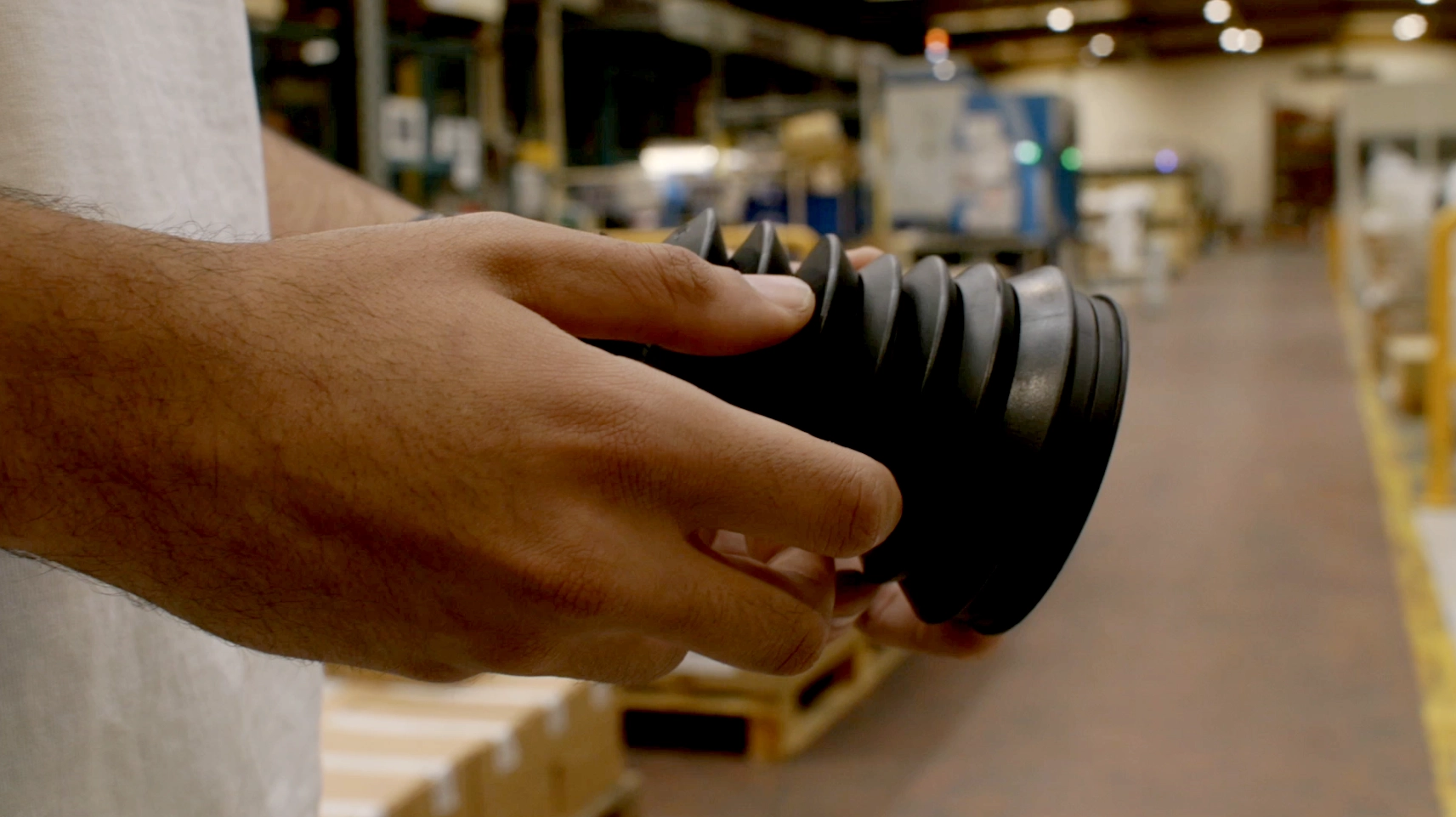
Delmon Group has injection blow molding presses for thermoplastic materials. This is a process that allows for the production of complex-shaped parts with hollow bodies, such as bellows. This expertise has existed for about twenty years.
Delmon Group also produces parts using the polyurethane casting technique to satisfy certain specifications.
What is automation?
Automation is the act of replacing certain human tasks with robots. This technique reduces an operator’s workload and increases productivity for large series.
Our skills in this field…
DELMON GROUP INTRODUCED ITS FIRST ROBOTS FOR INSERT LOADING AND THE DEMOLDING OF ITS RUBBER PARTS APPROXIMATELY 30 YEARS AGO.
Over time, automation has continued across all production stages (gluing, molding, finishing, etc.).
The industrialization department defines the automated systems and also relies on the skills of special machine integrators.
What is machining?
Machining is a so-called subtractive manufacturing method. It consists of creating parts by removing material from the workpiece using cutting tools.
Most of the time today, machining is performed using “Computer Numerical Control” (CNC).
What are the steps of machining?
- Design of a CAD (Computer-Aided Design) model of the part
- Transformation of the CAD file into a CNC program and machine configuration
- The machine executes the CNC program
Delmon Group’s skills
Since 2023, DELMON GROUP has invested in installing machining centers dedicated to aerospace in its group factories. Primarily to meet internal needs, but also external requests.
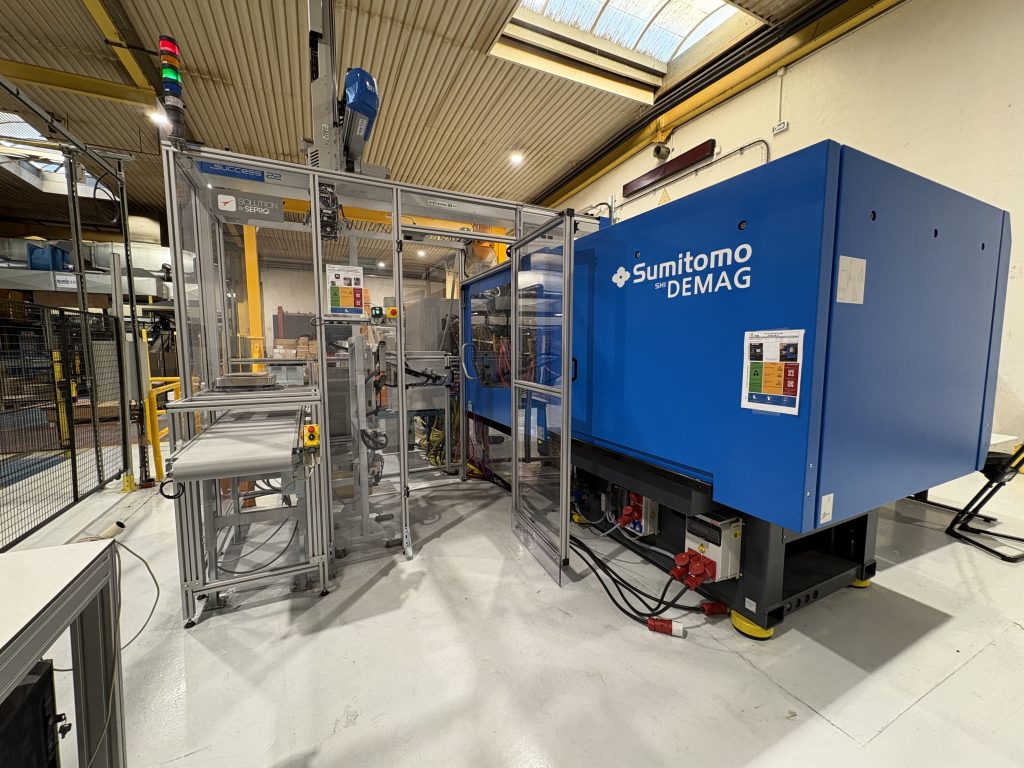
To support the evolving needs of our customers and strengthen our position in demanding markets, Delmon Group now integrates the injection of high-performance composite parts, particularly in PEI (Polyetherimide).
This new competence allows us to offer lightweight, robust solutions adapted to the most demanding environments, complementing our rubber, metal, and hybrid technologies.
Thanks to this new competence, we offer our customers:
- injected parts resistant to high temperatures and chemical agents,
- lightweight solutions allowing for the optimization of assemblies,
- great design freedom and controlled dimensional quality.
This technological advancement strengthens our ability to support OEMs and industrial players in their most ambitious projects.